Coix Seed with Red Bean Water

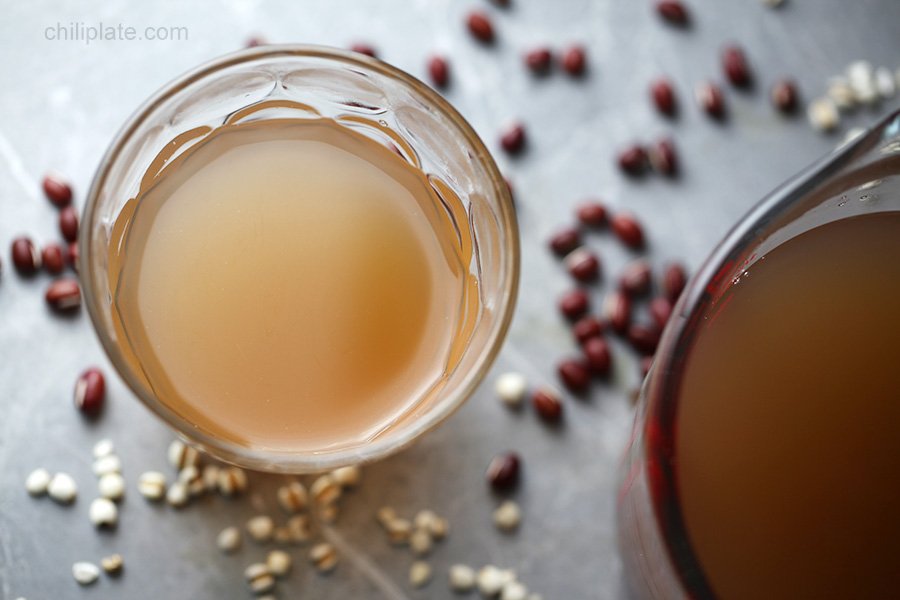
Chinese medicine divides the year into five seasons, adding one more long summer(chang xia). In summer and Changxia, the human body is most easily troubled by Dampness Qi, because Chinese medicine thinks that there must be dampness qi in summer and changxia. Dampness Qi enters the body, like oil kneading into flour, it is not … Read more
Common Yam Rhizome(Shan Yao)

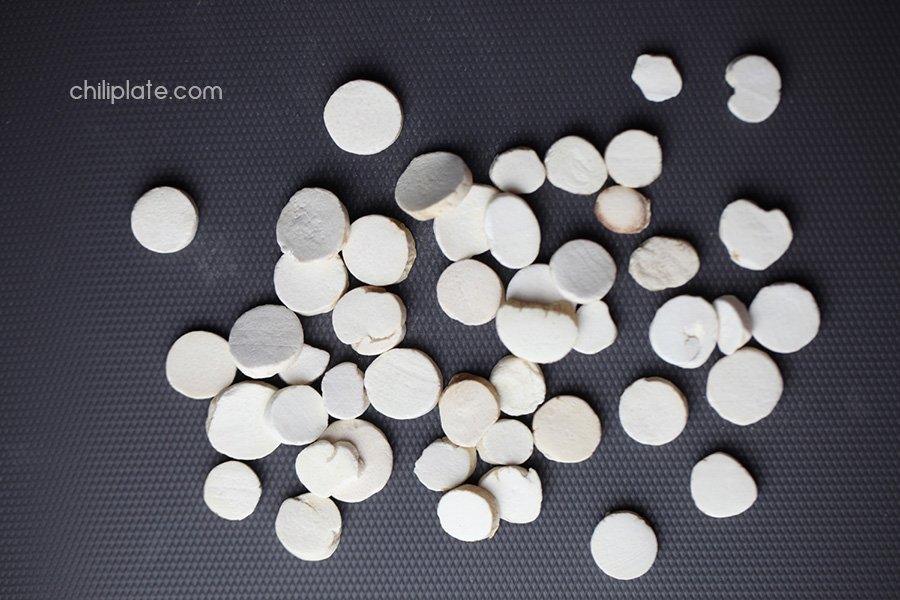
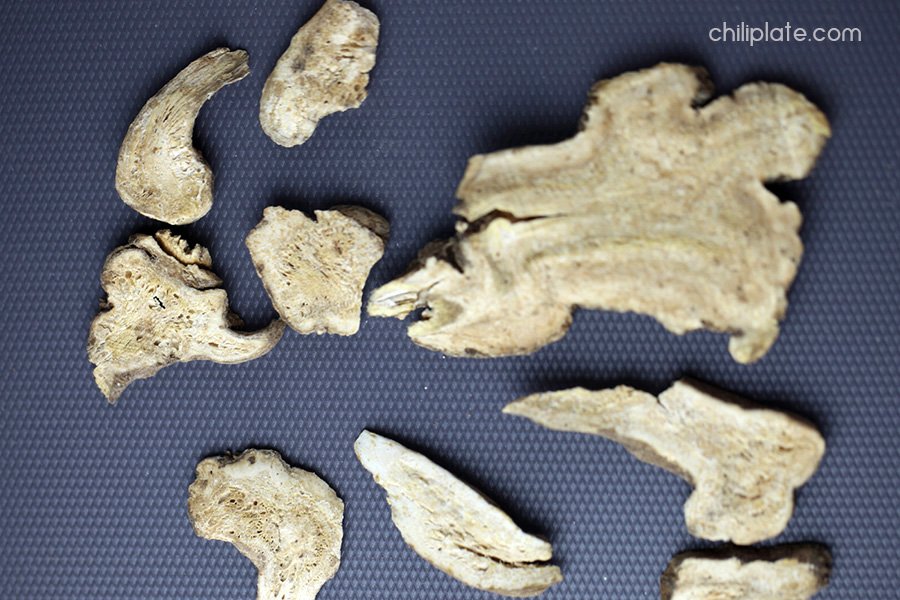
English Name: common yam rhizome,dioscorea Chinese Name: 山药 Pharmaceutical Name: Rhizoma Dioscoreae Flavors: sweet Temperature: neutral Channel: SP, KI, LU Special Properties: essence, resolves food stagnation Where to buy Shao Yao

White Atractylodes(Bai Zhu)

English Name: white atractylodes, large-headed atractylodes Chinese Name: 白术 Pharmaceutical Name: Rhizoma Atractylodis Macrocephalae Flavors: bitter, pungent Temperature: warm Channel: SP, ST Special Properties: clears damp, resolves water accumulations, resolves phlegm Where to buy Bai Zhu

Licorice Root(Gan Cao)

English Name: licorice root Chinese Name: 甘草 Pharmaceutical Name: Radix Glycyrrhizae Flavors: sweet Temperature in nature: neutral Channel: HT, LU, SP, ST Special Properties: disperses cold, clears heat, eliminates toxins, resolves phlegm, resolves dryness Where to buy Gan Cao

Cornus officinalis(Shan Zhu Yu)

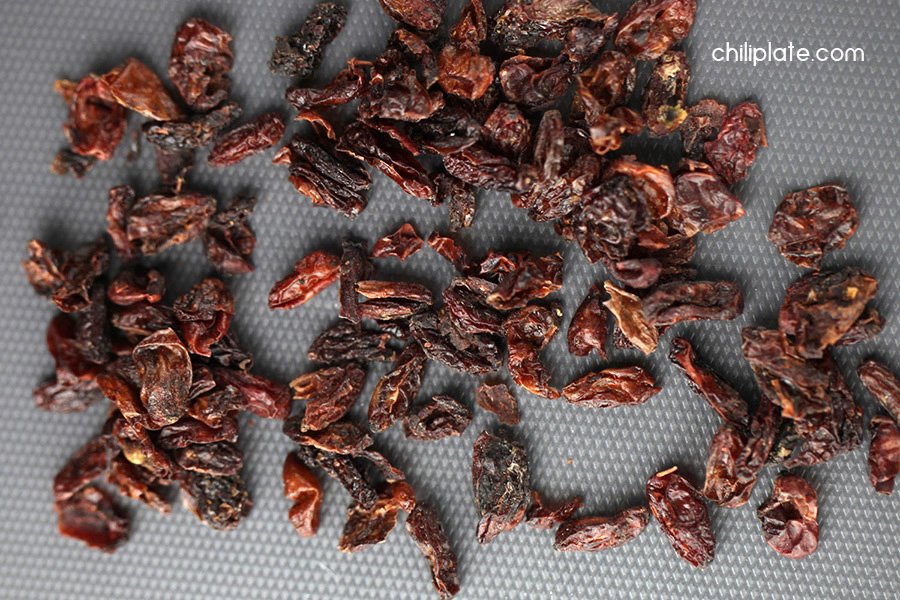
English Name: cornus, medicinal cornel fruit, asiatic cornelian cherry fruit, japaneese cornel dogwood Chinese Name: 山萸肉(山茱萸) Pharmaceutical Name: Fructus Corni Flavors: sour Temperature: warm Channel: LV, KI Special Properties: essence, circulates qi, stops bleeding Where to buy Shan Zhu Yu

White Peony Root(Bai Shao)

English Name: white peony root Chinese Name: 白芍 Pharmaceutical Name: Radix Paeoniae Alba Flavors: bitter, sour Temperature: cool Channel: LV, SP Special Properties: circulates qi, disperses cold, disperses wind, clear deficent heat Where to buy Bai Shao

Essence, Qi, Blood, and Body Fluid

Essence, qi, blood, and body fluid are the basic substances that constitute the human body and maintain the life activities of the human body. Essence is divided into congenital essence and acquired essence. Innate essence mainly comes from parents, which is the energy of genes. The acquired essence refers to the essence of Mizutani, the … Read more

The Theory of Visceral Activities

The theory of viscera is based on the viscera, according to the physiological functions of the viscera, with the five viscera as the center, through the communication of the meridians, cooperates with the six viscera, the skin, meat, tendons, bones, pulse and eyes, tongue, mouth, nose, ears and other tissues linked together. In this way, … Read more

The effect of emotions on the body

The emotions we are talking about here refer to excessive emotions. The seven emotions, namely joy, anger,  lamenting, thinking, sadness, fear, and shock, are the seven emotional changes, which are the mental state of a person. Joy hurts the heart, anger hurts the liver, worrying and sadness hurts the lungs, thinking hurts the spleen, fear … Read more

Meridians of the human body

The human body meridians are mainly divided into twelve serious meridians, eight channels of odd meridiansedit, special twelve meridians, and twelve meridian tendons. The twelve serious meridians(十二正经), also known as the twelve serious meridians, are the main body of the meridian system. Its naming is based on its yin and yang attributes, viscera, and circulatory … Read more

Main Pathogenic Factors in Traditional Chinese Medicine

The etiology of Chinese medicine is divided into two categories: six exogenous factors(六淫)and internal injuries. Exogenous feelings include six exogenous factors and epidemics. Internal injuries include seven kinds of excessive emotions, intemperate eating, and overwork. The six factors, namely: wind, cold, summer heat, dampness, dryness, and fire, are also called the six exogenous factors or … Read more

Yin and Yang

Yin and Yang is a kind of philosophical thought created by the ancient Chinese people. Ancient Chinese believed that there were Yin and Yang in everything. Yin and Yang can mark opposite things or phenomena as well as two internal opposite aspects of the same thing or phenomenon. The Yin and Yang which can permeate … Read more

The Constitution of Chinese Body and Diet

Traditional Chinese medicine divides different Chinese people into nine different physiques according to the yin, yang, and five elements. Understanding and familiarizing yourself with your physique and making corresponding dietary adjustments are of great help to gaining health. What needs to be understood is that a person does not necessarily have only one constitution, it … Read more